Corten Steel: The Perfect Blend of Durability and Style
- Conquest Steel & Alloys Team
The History and Development of Corten Steel
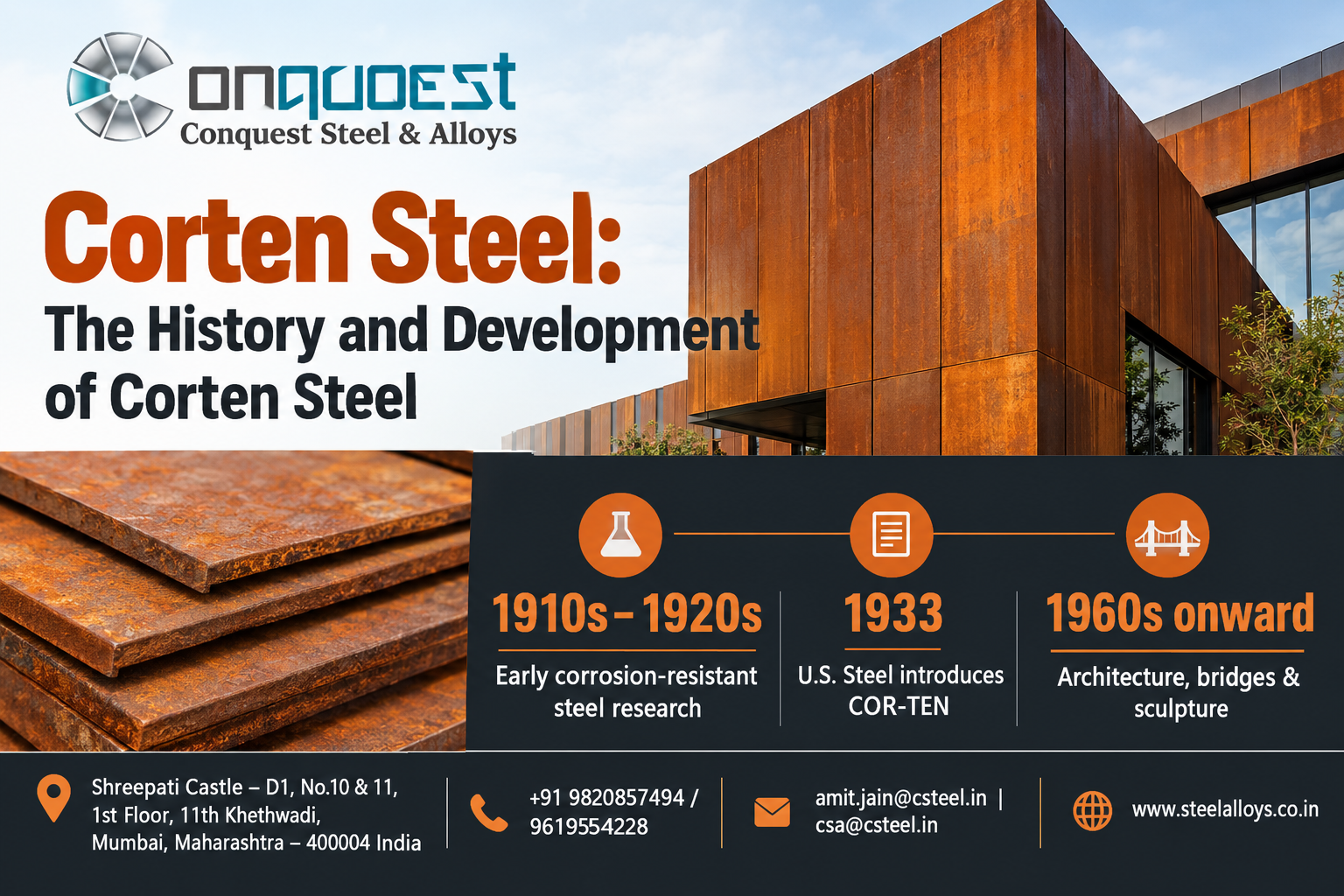
The journey of Corten steel, often known as weathering steel, is as fascinating as its aesthetic appeal. It was first developed by the United States Steel Corporation in the 1930s, and its initial purpose was functional: creating a steel that would resist the elements better than traditional options. The goal was to create a material that would form a stable rust-like appearance after exposure to weather, negating the need for painting and thereby reducing maintenance costs. This innovation was particularly appealing to the railcar industry and bridge construction, where long-term durability was a top priority.
The name "Corten" is derived from the two primary properties of the steel: 'COR' stands for corrosion resistance, and 'TEN' for tensile strength. Corten steel was primarily used in heavy-duty industrial applications for decades, but its unique ability to form a stable, protective patina opened doors to artistic and architectural realms. Architects and designers began to see the potential of this material not just for its durability but also for its striking, earthy appearance, which seemed to harmonize beautifully with natural landscapes.
By the 1960s and 1970s, Corten steel had found its way into the world of modern architecture. Iconic structures, such as the John Deere World Headquarters designed by Eero Saarinen, showcased the aesthetic versatility of this material. This marked the beginning of a new era where Corten steel was not just a utilitarian choice but also a deliberate design statement. The material continues to captivate architects, landscape designers, and artists, proving that its appeal is both timeless and ever-evolving.
Key Properties of Corten Steel
Corten steel is engineered to stand the test of time, thanks to its unique chemical composition. The alloy contains copper, chromium, nickel, and phosphorus, which contribute to its high durability and weather-resistance. When exposed to the elements, the steel undergoes a natural weathering process, forming a rust-like layer that serves as a protective barrier against further corrosion. This patina not only adds to the material's longevity but also gives it a distinctive, rustic appearance that evolves over time.
One of the most impressive properties of Weathering Steel Corten is its tensile strength. It can withstand significant stress and strain without deforming, making it an excellent choice for structural applications. This high tensile strength is achieved through the addition of alloying elements and a controlled manufacturing process that enhances the steel's crystalline structure. As a result, Corten steel can support heavy loads, making it ideal for use in bridges, buildings, and other large-scale constructions.
Corten steel also boasts impressive thermal properties. It has a lower coefficient of thermal expansion compared to traditional steel, meaning it expands and contracts less with temperature changes. This makes it particularly suitable for outdoor installations where it will be exposed to varying weather conditions. Additionally, Corten steel is less prone to cracking under thermal stress, further enhancing its durability and lifespan.
Advantages of Using Corten Steel in Design
One of the most compelling advantages of using Corten steel in design is its low maintenance requirements. Unlike traditional steel, which often requires regular painting and upkeep to prevent rust, Corten steel forms a stable, protective patina that resists corrosion. This natural weathering process not only reduces the need for ongoing maintenance but also lowers long-term costs, making it an economical choice for many projects.
Aesthetic versatility is another significant benefit of Corten steel. Its rich, earthy tones and evolving patina make it a popular choice for a wide range of design styles, from modern and industrial to rustic and organic. The material's ability to blend seamlessly with natural landscapes makes it particularly appealing for outdoor applications, such as garden sculptures, fencing, and landscape architecture. Its unique appearance can also add character and warmth to interior spaces, creating a striking contrast with other materials like glass, wood, and concrete.
In addition to its aesthetic and practical advantages, Corten steel is also an environmentally friendly option. The steel's longevity and low maintenance requirements mean fewer resources are needed for repairs and replacements over time. Moreover, Corten steel is 100% recyclable, reducing its environmental footprint and contributing to a more sustainable design approach. By choosing Corten steel, designers and architects can create beautiful, durable structures while also promoting environmental responsibility.
Common Applications of Corten Steel
Corten steel's unique properties make it suitable for a wide range of applications, both functional and decorative. In architecture, it is often used for building facades, where its weather-resistant qualities and distinctive appearance can create a striking visual impact. The material's ability to form a protective patina means that it can withstand harsh weather conditions, making it an ideal choice for exterior cladding. Iconic examples include the aforementioned John Deere World Headquarters and the Broadcasting Tower in Leeds, which showcase the material's versatility and aesthetic appeal.
In landscape architecture, Corten steel is frequently used for outdoor installations such as garden edging, planters, and retaining walls. Its earthy tones blend harmoniously with natural settings, creating a cohesive and organic look. The material's durability ensures that these installations will stand the test of time, even in harsh outdoor environments. Corten steel is also a popular choice for public art and sculptures, where its evolving patina can add a dynamic element to the artwork.
Corten steel sheet is also used in infrastructure projects, such as bridges, railway cars, and shipping containers. Its high tensile strength and weather-resistance make it an excellent choice for these heavy-duty applications. The material's low maintenance requirements and long lifespan contribute to its cost-effectiveness, making it a practical option for large-scale projects. Additionally, Corten steel's distinctive appearance can add an element of industrial chic to these functional structures, blending form and function in a unique way.
Corten Steel vs. Traditional Steel: A Comparison
When comparing Corten steel to traditional steel, several key differences stand out. One of the most notable distinctions is the material's resistance to weathering. Traditional steel is prone to rust and corrosion when exposed to the elements, often requiring protective coatings and regular maintenance to prevent degradation. In contrast, Corten steel forms a stable patina that acts as a protective barrier, reducing the need for ongoing upkeep and extending the material's lifespan.
Another significant difference is the aesthetic appeal of Corten Weathering Resistant Steel. While traditional steel is often chosen for its sleek, polished appearance, Corten steel is prized for its rich, earthy tones and evolving patina. This unique look can add character and warmth to both interior and exterior spaces, making it a popular choice for designers and architects who want to create a distinctive visual impact. The material's ability to blend seamlessly with natural landscapes further enhances its appeal for outdoor applications.
In terms of cost, Corten steel can be more expensive upfront compared to traditional steel. However, its low maintenance requirements and long lifespan can result in cost savings over time. The reduced need for painting and repairs means that Corten steel can be more economical in the long run, particularly for large-scale projects. Additionally, the material's environmental benefits, such as its recyclability and reduced resource consumption, make it a more sustainable choice compared to traditional steel.
Maintenance and Care for Corten Steel
While Corten steel is known for its low maintenance requirements, there are still some important considerations to keep in mind to ensure its longevity and appearance. One of the key aspects of caring for Corten steel is allowing the patina to develop naturally. This protective layer forms over time as the steel is exposed to the elements, and it is essential to avoid applying any coatings or sealants that could interfere with this process. In most cases, simply leaving the steel to weather naturally is the best approach.
It is also important to monitor the development of the patina, particularly in the early stages. The initial rusting process can produce runoff, which can stain surrounding surfaces such as concrete or stone. To prevent this, consider installing the steel in a location where runoff can be easily managed or using a drip edge to direct water away from sensitive areas. Over time, the patina will stabilize, and the risk of staining will diminish.
For installations in particularly harsh environments, such as coastal areas with high salinity, additional care may be needed to ensure the longevity of Corten steel. In these cases, it may be beneficial to periodically rinse the steel with fresh water to remove salt deposits and reduce the risk of accelerated corrosion. By following these simple maintenance guidelines, you can ensure that your Corten steel installations remain beautiful and durable for years to come.
Design Ideas and Inspirations Featuring Corten Steel
Corten steel's unique aesthetic and versatile properties make it an ideal choice for a wide range of design applications. One popular use of the material is in garden and landscape design, where its earthy tones and natural patina can create a harmonious connection with the surrounding environment. Consider using Corten steel for garden edging, planters, or retaining walls to add a touch of industrial chic to your outdoor space. The material's durability ensures that these installations will withstand the elements, providing long-lasting beauty.
For a striking architectural statement, consider incorporating Corten steel into the facade of a building. The material's rich, rust-like appearance can add warmth and character to modern structures, creating a bold visual contrast with other materials such as glass, wood, or concrete. Corten corrossion resistant steel cladding can also help a building blend seamlessly with its natural surroundings, making it an excellent choice for projects in rural or wooded areas. The evolving patina adds a dynamic element to the design, ensuring that the building's appearance will change and develop over time.
Corten steel can also be used to create stunning interior features that add a unique touch to any space. Consider using the material for accent walls, fireplace surrounds, or custom furniture pieces. The warm, earthy tones of Corten steel can create a cozy and inviting atmosphere, while its industrial aesthetic adds a contemporary edge. The material's versatility allows it to be used in a variety of design styles, from modern and minimalist to rustic and eclectic.
Environmental Impact and Sustainability of Corten Steel
In today's world, sustainability is a crucial consideration in design and construction. Corten steel offers several environmental benefits that make it a responsible choice for eco-conscious projects. One of the most significant advantages is the material's longevity and low maintenance requirements. By forming a stable, protective patina, Corten steel reduces the need for frequent repairs and replacements, conserving resources and reducing waste over time.
Corten Steel Plate is also highly recyclable, which contributes to its sustainability. At the end of its life cycle, the material can be melted down and repurposed for new projects, reducing the demand for virgin materials and minimizing environmental impact. This recyclability makes Corten steel an excellent choice for projects aiming to achieve LEED certification or other green building standards. By choosing Corten steel, designers and architects can create durable, beautiful structures while also promoting environmental responsibility.
The production of Corten steel also has a relatively low environmental footprint compared to some other building materials. The alloying elements used in its composition, such as copper and chromium, are added in small quantities, minimizing the environmental impact of extraction and processing. Additionally, the steel manufacturing process has become increasingly energy-efficient and environmentally friendly in recent years, further reducing the material's overall impact. By considering these factors, it's clear that Corten steel is a smart and sustainable choice for modern design.
Conclusion: Why Corten Steel is a Smart Choice for Modern Design
Corten steel seamlessly blends durability with aesthetic appeal, making it an exceptional choice for modern design. Its unique ability to form a protective patina not only enhances its longevity but also reduces maintenance requirements, offering both practical and economic benefits. From architectural facades to landscape installations, Corten steel's rich, earthy tones and evolving appearance can add a distinctive character to any project, creating a harmonious connection with natural surroundings.
The material's high tensile strength and weather-resistance make it suitable for a wide range of applications, from heavy-duty infrastructure projects to artistic and decorative installations. Its versatility extends to interior design as well, where it can be used to create striking accent walls, custom furniture, and other unique features. By choosing Corten steel, designers and architects can achieve a bold, contemporary aesthetic while also benefiting from the material's impressive performance and longevity.
In addition to its practical and aesthetic advantages, Corten steel is also an environmentally friendly option. Its durability and low maintenance requirements contribute to resource conservation and reduced waste, while its recyclability supports sustainable design practices. As the world continues to prioritize sustainability, Corten steel stands out as a responsible choice that aligns with eco-conscious values. By incorporating Corten steel into modern design, we can create beautiful, lasting structures that respect both the environment and the principles of good design.


