Why Corten Steel is the Ultimate Choice for Outdoor Design
- Nisha Singh
The Unique Properties of Corten Steel
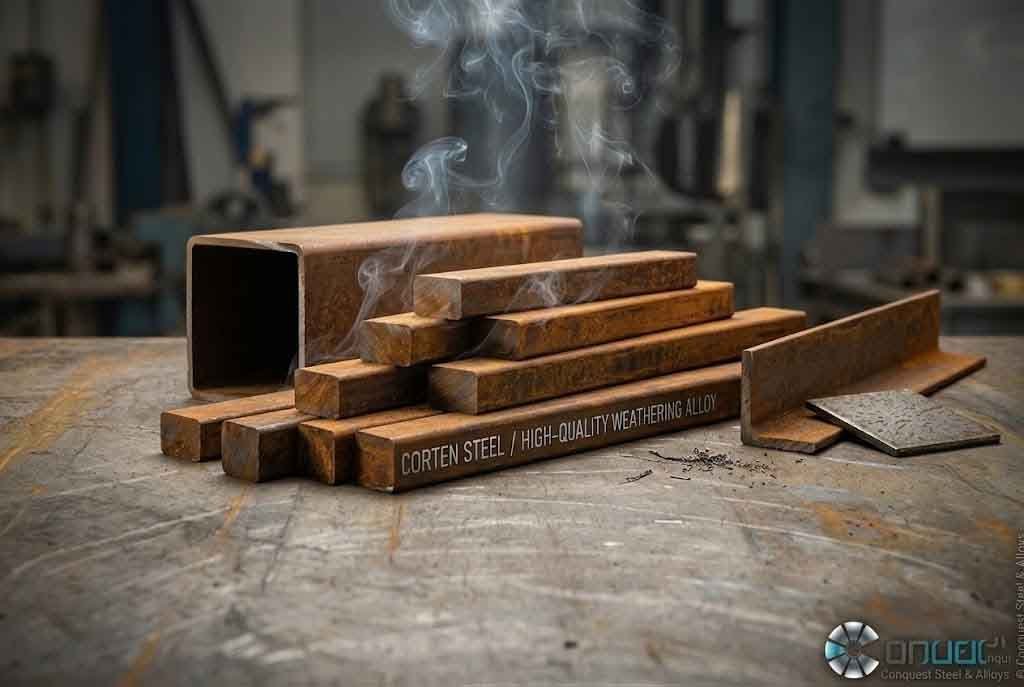
Corten steel, also known as weathering steel, is a group of steel alloys designed to eliminate the need for painting and form a stable rust-like appearance after exposure to weather. This unique material was initially developed for use in railway coal wagons, but its properties have made it a favorite in architectural and landscape design. The alloying elements in corten steel, such as copper, chromium, and nickel, contribute to its distinctive characteristics, including enhanced resistance to atmospheric corrosion compared to other steels.
One of the most intriguing aspects of corten steel is its ability to form a protective layer of rust when exposed to the elements. This outer layer, known as the patina, acts as a shield that slows down the rate of future corrosion, unlike traditional steel, which would continue to corrode over time. The patina not only provides a unique aesthetic but also ensures the material’s longevity, making it an excellent choice for outdoor applications where durability is paramount.
Moreover, the chemical composition of corten steel allows it to exhibit increased resistance to corrosive environments. The addition of elements like phosphorus enhances its weathering capabilities, making it suitable for various climatic conditions. This resistance to atmospheric elements means that corten steel can maintain its structural integrity and visual appeal for decades, even in harsh environments. This combination of beauty and durability is what sets corten steel apart from other materials used in outdoor design.
Aesthetic Appeal: Why Corten Steel Stands Out
Corten steel’s aesthetic appeal is one of its most celebrated features. Its ability to develop a rich, textured patina over time gives it a unique and dynamic appearance that evolves with the seasons. This weathered look can range from a deep reddish-brown to a more muted, earthy hue, depending on environmental conditions and the passage of time. This ever-changing palette allows corten steel to blend seamlessly with natural landscapes, creating a harmonious relationship between built structures and their surroundings.
The versatility of corten steel in design applications is unparalleled. Its rugged, industrial look can complement contemporary architecture, while its warm, organic tones can enhance more traditional or rustic landscapes. Whether used as a focal point in a minimalist garden or as a structural element in a modern outdoor space, corten steel adds a touch of sophistication and timeless beauty. This adaptability makes it a popular choice among architects, landscape designers, and homeowners looking to create visually striking and enduring outdoor spaces.
Furthermore, corten steel’s ability to reflect light in different ways adds another layer of visual interest. The material’s surface can appear to shimmer or change color depending on the time of day and weather conditions, creating a dynamic interplay between light and shadow. This quality makes corten steel an engaging material that captures the viewer’s attention and invites closer inspection. Its ability to age gracefully and develop a unique character over time ensures that corten steel remains a beloved choice for outdoor design.
Durability and Longevity in Outdoor Environments
The durability and longevity of corten steel are among its most significant advantages, particularly for outdoor applications. Unlike traditional steel, which can suffer from continuous corrosion when exposed to the elements, corten steel forms a stable, protective patina that significantly slows down the rate of rusting. This means that structures made from corten steel can withstand the test of time, even in harsh weather conditions, without requiring extensive maintenance or replacement.
Corten steel’s resistance to atmospheric corrosion is due to the presence of alloying elements such as copper, chromium, and nickel. These elements work together to form a dense oxide layer on the steel’s surface, which acts as a barrier against further corrosion. This protective layer regenerates over time, ensuring that the steel remains robust and structurally sound. This self-healing property is particularly beneficial in outdoor environments, where exposure to moisture, temperature fluctuations, and pollutants can accelerate the degradation of other materials.
In addition to its corrosion resistance, corten steel is renowned for its mechanical strength and toughness. It can withstand significant stress and impact without deforming or breaking, making it ideal for structural applications such as retaining walls, bridges, and public art installations. This combination of strength and resilience ensures that corten steel structures remain safe and functional for many years, even with minimal upkeep. The material’s longevity and low maintenance requirements make it a cost-effective choice for long-term outdoor projects.
Environmental Benefits of Using Corten Steel
Corten steel is not only aesthetically pleasing and durable but also offers several environmental benefits that make it an attractive choice for sustainable design. One of the primary environmental advantages of corten steel is its longevity. The material’s ability to withstand the elements and maintain its structural integrity reduces the need for frequent replacements, thereby conserving resources and reducing waste. This long lifespan contributes to the sustainability of projects that incorporate corten steel, as it minimizes the environmental impact associated with the production and disposal of building materials.
Another significant environmental benefit of corten steel is its recyclability. At the end of its useful life, corten steel can be recycled and repurposed for new projects, reducing the demand for virgin materials and lowering the overall carbon footprint of construction activities. The recycling process for steel is highly efficient, requiring less energy compared to the production of new steel from raw materials. This makes corten steel a valuable resource in the pursuit of sustainable building practices and circular economy principles.
Moreover, corten steel’s natural weathering process eliminates the need for additional protective coatings or paints, which can contain harmful chemicals and contribute to environmental pollution. The formation of the protective patina is a natural process that does not release toxins into the environment, making corten steel a more eco-friendly option compared to materials that require frequent painting or sealing. By choosing corten steel for outdoor design projects, architects and designers can contribute to a healthier environment and promote sustainable building practices.
Versatility in Outdoor Design Applications
Corten steel’s versatility is one of the key reasons it has become a popular choice for outdoor design. Its unique combination of aesthetic appeal, durability, and environmental benefits makes it suitable for a wide range of applications, from large-scale architectural projects to smaller landscape features. Whether used in contemporary urban spaces or rustic rural settings, corten steel can enhance the visual and functional aspects of outdoor environments.
One of the most common uses of corten steel in outdoor design is for creating striking garden elements such as planters, edging, and retaining walls. The material’s warm, earthy tones provide a beautiful contrast to greenery and flowers, creating a visually appealing and cohesive landscape. Corten steel planters and edging can help define garden spaces, adding structure and order while allowing the natural beauty of plants to take center stage. Additionally, the material’s durability ensures that these garden elements can withstand the rigors of outdoor use, maintaining their appearance and functionality for many years.
Corten steel is also frequently used in the construction of outdoor furniture and fixtures. Benches, tables, fire pits, and lighting fixtures made from corten steel can add a touch of industrial elegance to outdoor spaces, creating inviting areas for relaxation and socializing. The material’s strength and weather resistance make it an ideal choice for furniture that will be exposed to the elements, ensuring that these pieces remain sturdy and attractive over time. The versatility of corten steel allows designers to create custom, one-of-a-kind pieces that enhance the overall aesthetic of outdoor environments.
In addition to garden elements and furniture, corten steel is often used in the construction of larger architectural features such as pergolas, trellises, and sculptures. These structures can serve as focal points in outdoor spaces, drawing the eye and adding visual interest. The material’s ability to be fabricated into various shapes and sizes allows for creative and innovative designs that push the boundaries of traditional outdoor architecture. Corten steel’s versatility ensures that it can be adapted to meet the specific needs and vision of each project, making it a valuable tool for landscape architects and designers.
Maintenance Tips for Corten Steel Structures
While corten steel is known for its low maintenance requirements, there are still some steps that can be taken to ensure that corten steel structures remain in optimal condition. One of the most important aspects of maintaining corten steel is to manage the formation of the patina. The patina is the protective layer that forms on the surface of the steel, and it is essential for preventing further corrosion. To encourage the even development of the patina, it is important to allow the steel to be exposed to alternating wet and dry conditions. This can be achieved by periodically spraying the steel with water or allowing natural precipitation to do the job.
It is also important to ensure that corten steel structures are installed in locations where they can drain properly. Standing water can interfere with the formation of the protective patina and lead to uneven rusting. Ensuring that the steel is installed at a slight angle or incorporating drainage channels can help prevent water from pooling on the surface. Additionally, corten steel should not be in direct contact with soil or vegetation, as this can trap moisture and accelerate corrosion. Using a barrier material or elevating the steel off the ground can help mitigate this issue.
Regular inspection of corten steel structures is also recommended to identify any areas that may require attention. While the patina provides excellent protection, it is still possible for localized areas of corrosion to develop, especially if the steel is exposed to harsh conditions or pollutants. If any areas of concern are identified, they can be treated with a rust converter or a protective coating to prevent further deterioration. By following these maintenance tips, corten steel structures can remain beautiful and functional for many years.
Comparison with Other Materials for Outdoor Design
When it comes to outdoor design, there are several materials to choose from, each with its own set of advantages and disadvantages. Comparing corten steel with other commonly used materials can help highlight why it is often considered the ultimate choice for outdoor applications. One of the most common alternatives to corten steel is traditional carbon steel. While carbon steel is strong and relatively inexpensive, it lacks the corrosion resistance of corten steel. Without protective coatings, carbon steel can quickly rust and degrade when exposed to the elements, requiring frequent maintenance and replacement.
Another popular material for outdoor design is stainless steel. Stainless steel offers excellent corrosion resistance and a sleek, modern appearance. However, it is often more expensive than corten steel and can lack the warm, organic aesthetic that corten steel provides. Stainless steel’s reflective surface can also show fingerprints and smudges, requiring regular cleaning to maintain its appearance. In contrast, corten steel’s patina not only provides protection but also hides imperfections, making it a more forgiving material for outdoor use.
Wood is another common material used in outdoor design, particularly for decking, furniture, and garden features. Wood offers a natural and warm aesthetic that can complement outdoor spaces beautifully. However, wood requires regular maintenance to protect it from moisture, insects, and UV damage. Over time, wood can warp, crack, and rot, necessitating repairs or replacement. Corten steel, on the other hand, is virtually maintenance-free and can withstand harsh weather conditions without deteriorating. Its long lifespan and low maintenance requirements make it a more sustainable and cost-effective choice compared to wood.
Concrete is also frequently used in outdoor design for pathways, retaining walls, and other structural elements. Concrete is durable and can be molded into various shapes and sizes. However, it can be prone to cracking and requires proper sealing to prevent moisture infiltration. Additionally, concrete’s appearance can be somewhat industrial and cold, lacking the warmth and character of corten steel. Corten steel’s ability to develop a rich, textured patina over time gives it a unique and inviting appearance that concrete cannot match. By comparing corten steel with these other materials, it becomes clear why it is often the preferred choice for outdoor design projects.
Real-Life Examples of Corten Steel in Landscape Architecture
Corten steel has been used in numerous high-profile landscape architecture projects around the world, showcasing its versatility and aesthetic appeal. One notable example is the High Line in New York City, an elevated linear park built on a disused railway track. The designers of the High Line used corten steel extensively for planters, railings, and seating areas, creating a cohesive and visually striking environment. The material’s weathered appearance complements the industrial heritage of the site while providing a warm contrast to the lush greenery.
Another impressive example of corten steel in landscape architecture is the Serpentine Pavilion in London. Designed by various renowned architects over the years, the pavilion has featured corten steel in several iterations. The use of corten steel in these temporary structures highlights its adaptability and ability to create bold, modern designs. The material’s natural patina adds depth and character to the pavilion, making it a focal point in the surrounding landscape and inviting visitors to explore and interact with the space.
In Australia, the Australian Garden at the Royal Botanic Gardens Cranbourne is a stunning showcase of corten steel in landscape design. The garden features a series of interconnected spaces that highlight the unique flora and landscapes of Australia. Corten steel is used extensively throughout the garden for retaining walls, pathways, and sculptures, creating a cohesive and visually striking environment. The material’s earthy tones and textured patina beautifully complement the native plants and natural surroundings, creating a harmonious and inviting space for visitors to enjoy.
These real-life examples demonstrate the versatility and aesthetic appeal of corten steel in landscape architecture. Whether used in large-scale public projects or smaller private gardens, corten steel can enhance the visual and functional aspects of outdoor spaces. Its ability to blend seamlessly with natural landscapes, withstand the elements, and develop a unique character over time makes it a valuable tool for landscape architects and designers.
Conclusion: Embracing Corten Steel for Your Outdoor Projects
Corten steel’s unique properties make it the ultimate choice for outdoor design. Its ability to develop a protective patina that enhances its appearance and provides long-lasting durability sets it apart from other materials. The aesthetic appeal of corten steel, with its warm, earthy tones and dynamic surface, allows it to complement a wide range of design styles and natural landscapes. The material’s versatility ensures that it can be used in various applications, from garden elements and outdoor furniture to large-scale architectural features.
In addition to its visual and functional benefits, corten steel offers several environmental advantages. Its longevity reduces the need for frequent replacements, conserving resources and minimizing waste. The material’s recyclability and natural weathering process further contribute to its sustainability, making it an eco-friendly choice for outdoor projects. By choosing corten steel, architects and designers can create beautiful, durable, and environmentally responsible outdoor spaces.
Ultimately, embracing corten steel for your outdoor projects means investing in a material that combines beauty, strength, and sustainability. Whether you are designing a contemporary urban park, a rustic garden retreat, or a modern outdoor living space, corten steel can help you achieve your vision and create spaces that will stand the test of time. As more designers and homeowners recognize the value of corten steel, its popularity in outdoor design is likely to continue growing, ensuring that this remarkable material remains a staple in landscape architecture for years to come.


